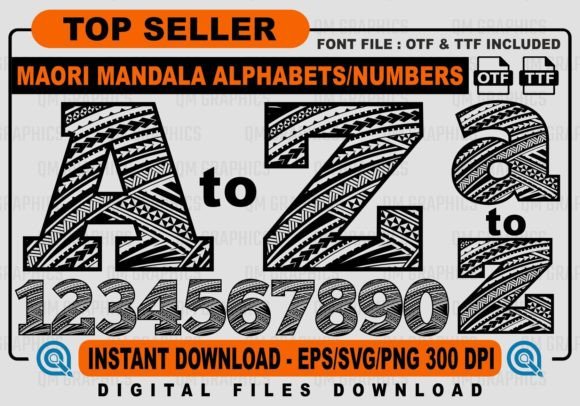
Maori Mandala: The Intricate Display Font for Crafters
There’s something profoundly satisfying about finding a typeface that does more than just spell out words. When I first tested Maori Mandala on a mockup for a set of handmade soy candle labels, I immediately knew this wasn’t just another display font. The letters don’t just sit on the page—they perform. Each character is woven with a level of detail that feels almost hand-drawn, carrying the kind of artisanal energy you normally only get from a custom hand-lettered sign. If you build physical products, digital downloads, or any kind of branded stationery, this font delivers that elusive combination of visual impact and craft-forward warmth.
For small shop owners and printable creators, the gap between “pretty on screen” and “reliable in production” is where many creative fonts stumble. Maori Mandala bridges that gap with a design that’s both ornamental and grounded. The intricate details inside each letterform echo traditional mandala geometry, but the overall structure remains clean enough to hold its shape on a sticker, a gift tag, or a laser-cut wood sign.
What Makes Maori Mandala Feel So Special
The first thing you notice is the rhythm. Maori Mandala isn’t quiet—it’s a display font that claims space without shouting. The letterforms feature negative space cutouts, delicate linework, and a rhythmic symmetry that makes even a single initial look like a tiny piece of art. When I used it for a line of boutique hang tags, customers kept flipping the tag over, convinced there was more to discover. That kind of tactile curiosity is priceless for product presentation.
There’s also an organic warmth here that purely geometric typefaces often miss. The intricate patterns feel familiar yet undeniably fresh, blending the meditative repetition of mandala art with the bold presence of a modern typography classic. It works because it doesn’t try to be everything at once—it’s a confident, decorative display font that knows its purpose is to make a few words unforgettable.
Where Maori Mandala Shines Brightest in Your Shop
As a printable product creator, I’m always testing fonts in real-world scenarios. Here’s where Maori Mandala has consistently outperformed other premium fonts in my workflow:
- Product Labels and Packaging: Perfect for candle jars, soap wraps, honey tins, or small-batch skincare. A single word like “Lavender” or a short brand name becomes the hero element on the label.
- Wedding Stationery and Invitation Suites: Use it for names on invitation cards, table numbers, or welcome sign text. The inherent romance of the mandala details softens the formality without sacrificing elegance.
- Greeting Cards and Gift Tags: The font creates instant occasion without needing extra illustration. A simple “Thank You” in Maori Mandala printed on kraft cardstock feels fully designed.
- Wall Art and Printable Posters: Spell out words like “Gather,” “Home,” or “Create” for an instant farmhouse or boho aesthetic that sells well on Etsy and at markets.
- Cricut and Silhouette Projects: Cut it from adhesive vinyl for tumblrs, tote bags, and T-shirt designs. The open internal lines cut cleanly while retaining the intricate character.
- Seasonal and Holiday Designs: Whether it’s “Joy” on a Christmas ornament or “Spooky” on a Halloween sign, the font adapts to the mood while adding a handmade feel.
Using Maori Mandala for Digital Printables and Templates
Digital download sellers know that typeface choice can make or break a listing. When I added Maori Mandala to my planner sticker sets and journal card bundles, the perceived value jumped. Buyers associate detailed lettering with care and effort, even if they don’t consciously analyze the font. A “Monthly Goals” header in this typeface feels premium, encouraging better reviews and repeat purchases. It works beautifully as a decorative layer in SVG designs too—layered cardstock projects, shadow box frames, and 3D paper crafts all benefit from the font’s dimensionality.
Readability, Cutting, and Production Smarts
Any crafter who’s ever weeded a delicate script font at midnight knows that intricate doesn’t have to mean fragile. Maori Mandala holds a solid reading line even at small sizes—think 18pt on a round sticker—because the core silhouette of each letter is clearly defined. The internal detailing adds personality but the outer contours remain bold and stable. For cutting machines, I recommend doing a test cut with your usual settings. On standard permanent vinyl, the fonts weed cleanly if you increase the cut pressure slightly and use a sharp blade. For printed cardstock, the details reproduce beautifully without plugging, especially on matte finishes that reduce ink bleed.
For mockup previews, this font looks remarkably true to life. When I drop a product image into a lifestyle mockup, the lettering doesn’t disappear into the background or read as a blurry smudge. That accuracy matters when a customer is scrolling through dozens of similar products—the clarity of your typography often seals the sale.
Pairing Maori Mandala with Other Typefaces
This display font works best when it’s the star of the composition. For supporting text, you’ll want a clean, understated partner. My go-to pairings include:
- A simple sans serif font: Try a light, clean sans for ingredient lists, date details, or short descriptive lines. The contrast between the ornamented display font and the functional sans creates balanced, professional-looking product labels.
- A subtle handwritten font: For a more personal, invitation-style layout, pair it with a relaxed handwritten typeface. Use the handwritten font for the address or note, and let Maori Mandala handle the name or event title.
- A classic serif font: If your project leans toward timeless elegance—think wedding signage or boutique branding—a modest serif beneath the mandala text adds structure without competing visually.
When layering fonts, I recommend keeping the display text short: one to five words at most. Longer blocks of text in a highly decorative face tire the eye quickly. Reserve this font for the focal point that you want customers to remember.
Creative Projects That Feel Instantly Elevated
Lately I’ve been using Maori Mandala on ceremony programs, affirmation cards, and personalized bookmarks. The meditative quality of the design carries emotional weight that a standard blocky font simply can’t deliver. For a client selling handmade resin jewelry, I designed small round care instruction cards with a single mandala letter as the centerpiece, and the feedback was immediate—customers started requesting the cards as standalone art. That’s the kind of unexpected product expansion a distinctive font can spark.
Farmhouse and bohemian-style signs also thrive with this typeface. A distressed wooden board with “Welcome” spelled in the font’s intricate forms looks like a curated vintage find. Because the lettering itself contains so much detail, you can keep the rest of the design minimal and still end up with a high-impact piece.
Checking the Technical Details Before You Commit
Before loading a new font into your design toolkit, a quick technical check saves headaches later. Maori Mandala includes the features you’d expect from a carefully built premium font. Look for alternates, ligatures, and swashes that give you variations on key letters—these are where you can subtly customize a design without losing the overall look. I also always confirm the file formats included. In my experience, having both OTF and TTF ensures compatibility across design software, cutting machine programs, and print-on-demand platforms.
Multilingual support is another practical point. If you sell to an international audience or just want to include words with accented characters, it’s worth confirming the character set. A display font with extended language support means you can confidently create product mockups, printable art, and templates that serve a broader customer base without scrambling for workarounds.
Design Assets, Brand Identity, and Customer Perception
When you’re a small shop owner, your brand identity lives in the details. The typeface you choose for your logo design, packaging, and social media graphics sends a silent signal about the quality of your work. Using a creative font like Maori Mandala tells the customer that you value craftsmanship. Over time, that consistent visual language builds recognition and trust. I’ve noticed that products listed with a cohesive, intentional typography style often feel more expensive, which can justify a higher price point and reduce the “handmade, so it should be cheap” mindset.
For web design and social media graphics, this font translates well to digital banners, Pinterest pins, and Instagram story templates. The intricate patterns catch the eye even in thumbnail size, making it a smart choice for platforms where you need to stop the scroll quickly. Just remember to rasterize the text or convert to outlines when exporting final graphics to preserve the intricate details.
A Practical Note on Commercial Font Licensing
As someone who earns a living selling physical products, digital downloads, and client work, I can’t ignore the licensing fine print. Before you put Maori Mandala onto a product you intend to sell, check that the commercial license covers your specific use. Most legitimate font shops clearly state whether you can use the typeface on physical merchandise, in logo design, inside editable templates, on print-on-demand items, or within SVG files for sale. Using a font outside its license terms can lead to legal trouble and wasted inventory. The good news is that fonts in this category are typically made with makers in mind, and a standard commercial license often covers unlimited physical products. Always confirm, download your receipt, and keep a copy of the license file alongside your design assets.
Maori Mandala has become one of those rare design assets that I reach for when I need a project to feel finished, not just typed. Whether you’re crafting a single batch of boutique gift tags or building a full collection of printable wall art, this font carries its weight with grace and unmistakable character.