Bugvirus Pixel Font Adds Retro Grit to Branding
As a small business owner running an online shop and a local stall at weekend markets, I’m always hunting for tiny details that make my packaging and signs instantly recognizable. A few months ago, I started using Bugvirus, a pixel-style display font that looks like it was ripped straight from a classic arcade cabinet. The first time I printed a batch of thank-you cards with this blocky, nostalgic typeface, customers smiled and took photos of the envelope. That’s when I knew this font wasn’t just a decorative choice—it was a quiet trust builder for my brand.
The Personality Behind the Pixels
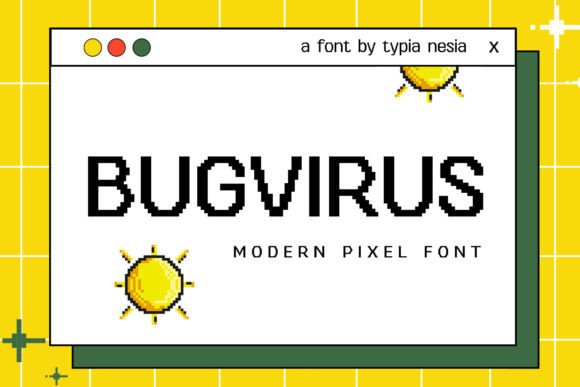
Bugvirus isn’t trying to be sleek or minimalist. It embraces chunky, grid-based letterforms that evoke 8-bit video games, old computer terminals, and early digital screens. Each character feels deliberate and playful, with a strong backbone that keeps it readable even at larger sizes. The mood is unapologetically retro but not childish—it carries a geeky, handcrafted confidence that works for brands wanting to stand out in a sea of smooth sans serif logos. When I see Bugvirus on a product label, I immediately think of someone who cares about the details, someone who probably spent hours perfecting a custom sticker pack or a menu board.
What makes this display font special is its consistency. Every letter fits the same pixel grid, so words have a uniform rhythm. That predictability may sound boring, but for a brand, it means your signage and social posts won’t look mismatched across different materials. A pixel bakery logo, a website banner, and a mini thank-you tag all sing the same visual song, and that repetition builds the professional, put-together image that shoppers gravitate toward.
Small Business Touchpoints Where Bugvirus Works
I’ve tested Bugvirus on dozens of real-world items, and its sweet spot is definitely short bursts of text. Here are the places where it transformed my brand materials from generic to memorable.
Product Labels and Packaging
My handmade candle business uses Bugvirus for the scent name on the front label. Pairing the pixel text with a simple kraft paper background makes the product feel like a collectible from a retro game quest. For a friend’s zero-waste soap line, we printed Bugvirus on compostable wrappers using a single color—the bold blocks held up beautifully, even on textured paper. If you sell cookies, hot sauce, or bath salts, this font gives your packaging an artisan arcade vibe that stands out on crowded shelves.
Menus and Storefront Signage
A local coffee shop I collaborate with started using Bugvirus for their chalkboard-style menu headers. The pixel letters contrast well against hand-drawn illustrations of coffee cups. Because the font has a sturdy build, it’s easy to read from a few feet away—useful for a counter menu. For outdoor signs, blowing up Bugvirus to poster size creates a nostalgic, street-art feel without losing legibility. It also prints well on corrugated plastic and vinyl banners, which matters when you’re swapping seasonal promos.
Social Media Graphics and Website Banners
I used to rely on generic bold fonts for Instagram posts and Facebook sale announcements. Swapping those out for Bugvirus on my “Flash Sale” and “New Drop” graphics increased my engagement because the pixel style stops the scroll. The font translates crisply on small screens; each character is built from square pixels, so there’s no fuzzy anti-aliasing that sometimes makes thin script fonts vanish. Just be mindful: use it for headlines, then switch to a simple sans serif for the details like price and date, so your followers absorb the key info in a split second.
Logos and Brand Marks
If you’re rebranding a gaming lounge, a retro-themed food truck, or a craft brewery with an 80s arcade concept, Bugvirus can become the primary logotype. I’ve seen it work stunningly when combined with a small pixel icon—like a controller, a coffee bean made of squares, or a diamond. Because the typeface itself carries so much character, you don’t need an overly complex logo mark. This minimalist approach helps your logo stay clear at tiny sizes, like a website favicon or a printed sticker on a delivery box.
Creating a Recognizable Look Without Being Overwhelming
The goal with any expressive font is controlled repetition. If you blast Bugvirus across every single sentence of a brochure, it becomes tiring. But when you reserve it for display purposes—like main headings, product names, and key callouts—it acts like a signature. In my shop’s order confirmation emails, I use Bugvirus only for the “Thank You” banner and keep everything else in a clean sans serif typeface. That contrast quietly reinforces my brand without sacrificing readability. Over time, customers start associating that blocky text with the happy feeling of unboxing, and that’s exactly the kind of emotional link you want to nurture.
Readability: When to Use Bugvirus and When to Pull Back
Because Bugvirus is a display font, it shines above 18pt. On a printed hang tag that’s only two inches wide, I’ve found that the letters can clump together if I use all caps for longer words. Testing is key: print your design at actual size, hold it at arm’s length, and see if the individual characters still feel distinct. For mobile screens, I keep headlines in Bugvirus at about 28px or larger to guarantee pixel-perfect clarity on small phones. If you need to list ingredients, directions, or a website URL, switch to a neutral sans serif font. The combination of a pixel display font for personality and a simple sans for information creates the modern typography balance that registers as professional, not chaotic.
I also recommend checking the font on different devices and paper stocks. A pixel font can look charming on uncoated paper but might lose its crisp edges on highly absorbent surfaces. A quick test print on your actual label material will save you from a batch of blurry packaging.
Easy Font Pairings That Keep Everything Legible
You don’t need a degree in design to pair Bugvirus. The safest route is to stick with neutral sans serif fonts like Inter, Montserrat, or Lato for body copy. These clean, open letterforms let the pixel font take the spotlight while ensuring your menu descriptions, shop hours, or product details are easy to scan. If you want a slightly softer feel—say for a craft kit that targets a younger crowd—try pairing Bugvirus with a rounded sans like Nunito. Avoid combining it with another highly decorative typeface; a pixel font and a script font side by side often compete for attention and muddy your hierarchy.
For brand assets that require a touch of elegance, you can even pair Bugvirus with a simple serif font like Merriweather for an interesting tech-meets-tradition contrast. Just limit the serif font to small descriptive passages, like the back of a tea box or a heartfelt brand story on your about page.
Testing Before You Commit
Before you order 5,000 printed boxes or invest in a permanent storefront sign, use a simple mockup routine. Download the Bugvirus font and type out your most common phrases: your business name, a sample product title, a short tagline. Print them on the exact materials you plan to use, take a photo in natural light, and view it on your phone as if you were a customer scrolling Instagram. Does the pixel lettering still feel intentional and crisp? Can a stranger read your brand name in under two seconds? If yes, you’ve hit the sweet spot.
I also test my designs in black-and-white first. Many pixel fonts rely on contrast, and a monochrome test reveals any legibility issues before you add color distractions. Bugvirus passed this test easily because its thick block strokes hold their weight even when reversed out on a dark background.
A Quick Note on Licensing
Whenever you use a distinctive display font like Bugvirus for your business, pause and read the commercial font licensing terms. Most premium pixel fonts require an extended license if you plan to embed them into product packaging, templates you sell, merchandise, or digital downloads. This protects both you and the type designer and ensures you’re using the creative font legally as a business asset. The fonts category on many design marketplaces clearly states usage rights, so take five minutes to confirm before you launch your rebrand.
Integrating Bugvirus into my small business toolkit gave my brand an instant personality shot. From coffee cup sleeves to Instagram story frames, this retro pixel typeface helps me look consistent and approachable without shouting. If your brand has a playful, nostalgic, or tech-inspired soul, a well-placed pixel font might be the design asset that ties your visual identity together—one block at a time.